100+ Students Supported
Tuition, hostel, exam fees, and books covered through needs-based support verified by headteachers in Dhading.

Impact & Transparency
We started in Dhading with a simple question: if you cover the fees, pair a mentor, and open up access to technology, will students stay in school? Here is what we know so far, and how we steward every gift.
Results so far
Tuition, hostel, exam fees, and books covered through needs-based support verified by headteachers in Dhading.
Of the students we support, 95% remain enrolled the following year. Headteachers confirm enrollment status each term.
Nepali volunteers check in weekly by phone to help students with studies, attendance, and planning for what comes after school.
Partner classrooms with structured digital access and guided learning, supported with setup and maintenance help.
How we measure
Each term, headteachers report which students are still enrolled and share exam pass rates. Mentors log weekly check-ins. We use this data to decide where to add support and where to adjust.
Retention: the percentage of supported students who remained enrolled into the following academic period.
We do not yet have graduation or employment data. Our oldest cohort is still in school. We will publish those numbers as they become available.
Where we work
We focus our resources in Dhading district, where our founder grew up and where we have strong relationships with schools, headteachers, and ward committees. By proving what works in one community, we're designing a model that can expand to similar rural districts across Nepal.
Student stories
Three examples of how education support, mentorship, and digital opportunity work day to day in Dhading.
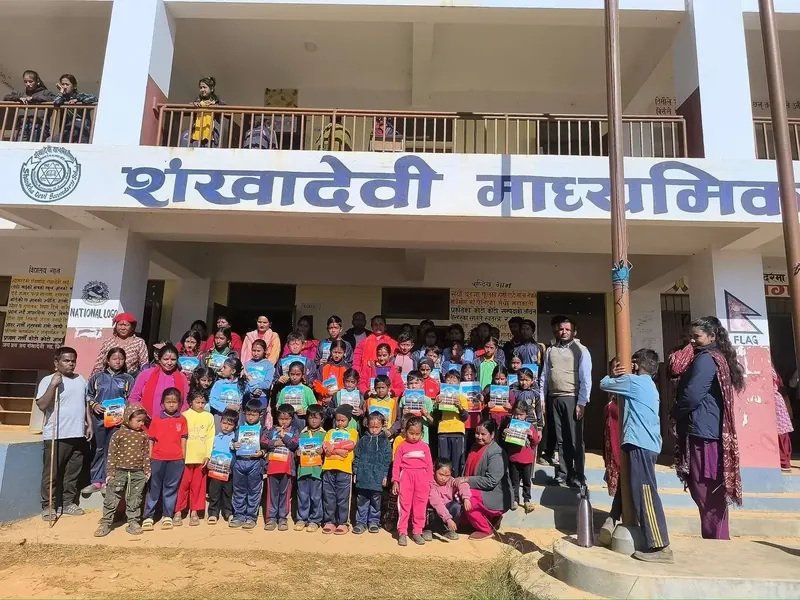 Dhading · Education Support
A secondary-school student in Dhading was at risk of interrupting her studies because of education-related costs. After the need was verified through her school, Aashirbad helped cover essential expenses so she could continue the academic year. Her headteacher confirmed her enrollment the following term.
 Dhading · Mentorship & Exposure
For many students, the challenge is not only paying for school. It is also knowing what can come next. Through regular mentor conversations, students ask practical questions about higher education, different fields of work, and the steps needed to get there. Mentors check in weekly and help students set goals they can act on.
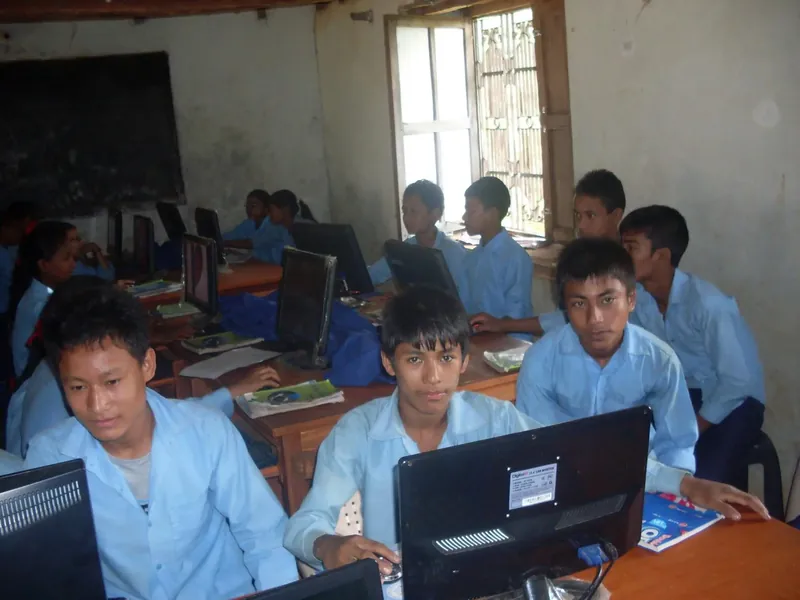 Dhading · Digital Opportunity
At a partner school in Dhading, some students had very limited opportunities to use a computer outside the classroom. Shared devices and guided sessions gave them a chance to practice basic digital skills, explore educational content, and become more comfortable using technology. The goal is earlier exposure, not a device for each student.
Financials & governance
Our IRS determination letter is available on request. Email us and we’ll send it within 24 hours.
How we work
Documents
Email us and we'll send any of these within 24 hours. Governance documents (Articles of Incorporation, Bylaws, Conflict of Interest Policy) are also available on request.
Confirms our 501(c)(3) public charity status, EIN, and effective date of tax-exempt recognition.
Request a copyOur annual federal filing with the IRS, including revenue, expenses, and board governance disclosures.
Request the 990A brief overview of how donations were used, how many students we supported, and what we learned during the year.
Request the summarySupport a student's year, or partner with us as a mentor or school.